352-753-8600
·
case@vandwlaw.com
·
Call for Appointment

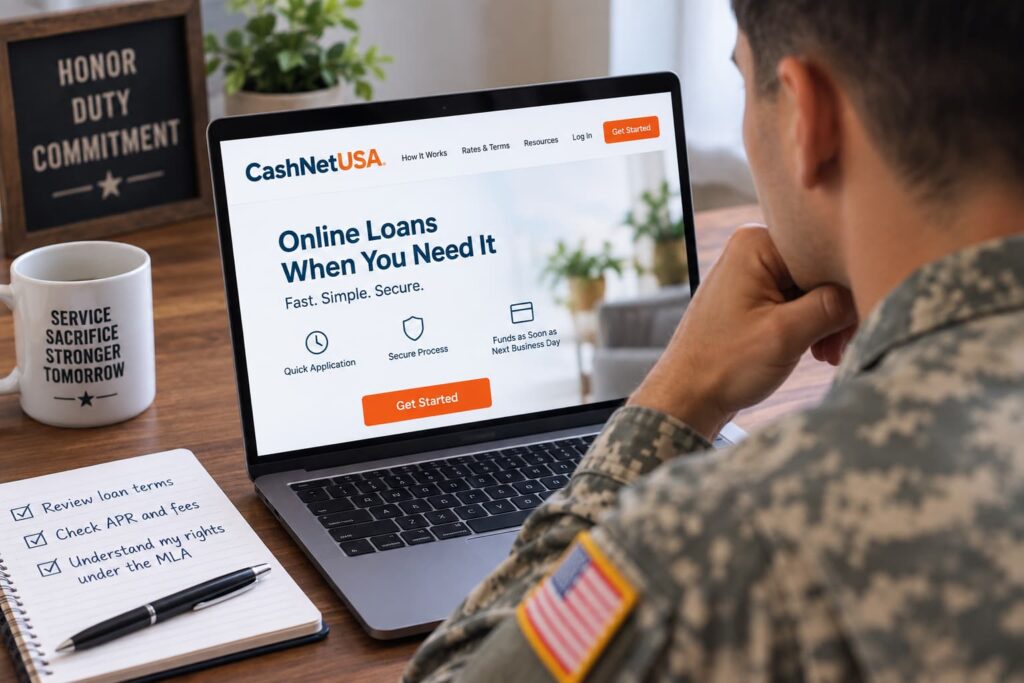
Fight Back Against Your CashNetUSA High Interest Military Loan

If you received a CashNetUSA high interest military loan or other similar credit while you or your spouse was serving on active duty, federal military lending protections may have applied to the transaction.

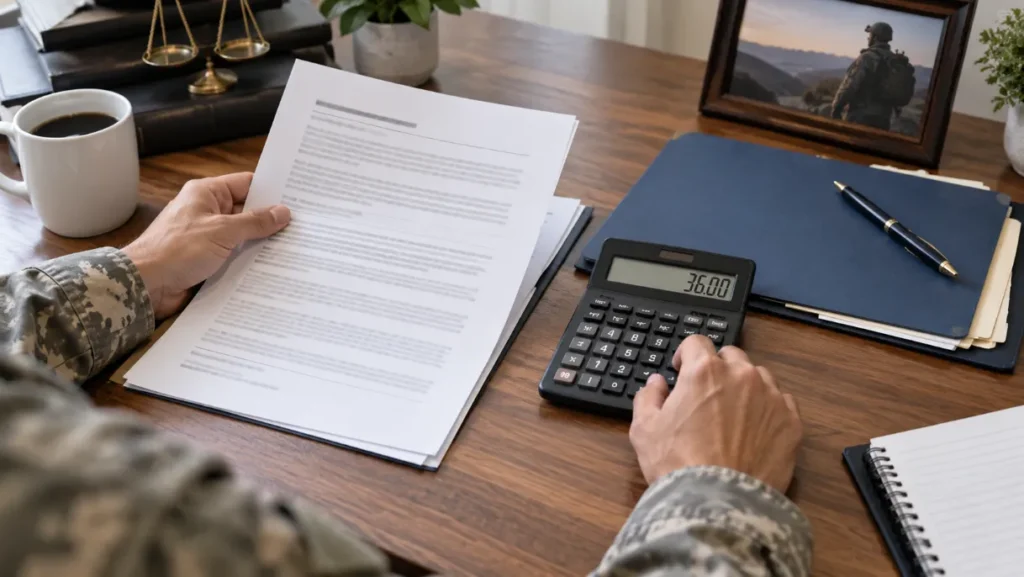
A high interest rate can be a reason to examine the loan more closely. But a high APR, even one above 36%, does not by itself establish a Military Lending Act violation. The MLA generally limits the Military Annual Percentage Rate, or MAPR, to 36% for covered consumer credit. MAPR and ordinary APR are not always calculated the same way.

The key questions include your military status when the credit was extended, the type and date of the CashNetUSA credit, its fees and charges, and the terms of the agreement. If you have other related queries, Varnell & Warwick is here to answer them. 

Did CashNetUSA Charge You More Than 36% MAPR While You Were on Active Duty?

Does a High Interest Rate on a CashNetUSA Loan Raise an MLA Issue?

It can, but the interest rate shown on your agreement does not answer the question by itself.

The Military Lending Act provides additional protections when covered consumer credit is extended to a covered borrower. Under Department of Defense regulations, creditors generally may not impose a MAPR greater than 36% on covered consumer credit.

MAPR may include charges beyond those included in an ordinary APR calculation, such as certain finance charges, application or participation fees, credit insurance charges, and fees for credit-related products.

That distinction matters. If your CashNetUSA paperwork shows a high or triple-digit APR, that may be an important screening fact, but it does not automatically prove that the MAPR exceeded the legal limit or that the MLA was violated.

Did CashNetUSA Charge You More Than 36% MAPR While You Were on Active Duty

Why Your Active-Duty Status at the Time of the Credit Matters

For many borrowers, the most important question is straightforward: Were you or your qualifying spouse on active duty when the CashNetUSA credit was extended?

Under the MLA regulations, a covered borrower generally includes a covered servicemember or qualifying dependent at the time the person becomes obligated on a consumer credit transaction or establishes an account. Covered servicemembers include qualifying active-duty members and certain members serving on active Guard and Reserve duty.

That means your status today is not the only fact to examine. If you are now retired, separated, in the Guard or Reserve, or no longer serving, records showing your status when the CashNetUSA transaction occurred may still be important.

The loan date also matters because the scope of the Department of Defense regulations has changed over time.

What Else Does the Military Lending Act Protect?

The MLA is not limited to the cost of credit. For covered consumer credit, federal rules also address required disclosures and restrict certain contract terms. Among other protections, the regulations prohibit creditors from requiring covered borrowers to submit disputes to arbitration, requiring certain waivers of legal rights, imposing prepayment penalties, or requiring a military allotment as a condition of obtaining credit.

The regulations also require certain disclosures, including a statement concerning the applicable MAPR and a clear description of the borrower’s payment obligation.

Whether any particular provision applies to your CashNetUSA transaction depends on the credit product, date, military status, and agreement.certain electronic fund transfers used to repay consumer credit when applicable requirements are satisfied.


What Should You Review From Your CashNetUSA Account?

If you had CashNetUSA credit while on active duty, useful records may include your loan or credit agreement, account-opening disclosures, statements, payment history, bank records, and documents showing your active-duty dates.

It may also help to identify the amount borrowed, stated APR, fees and finance charges, whether the account was renewed or refinanced, and whether the agreement contained an arbitration provision.

Bank records showing automatic withdrawals can help establish what you actually paid. However, an automatic electronic payment by itself does not establish an MLA violation; the regulations allow certain electronic fund transfers in qualifying circumstances.

You do not need to calculate MAPR yourself before speaking with an attorney.

“CashNetUSA High Interest Military Loan” Does Not Mean a Special Military Product

People may search for a “CashNetUSA high interest military loan” when they are trying to understand whether military status changes the rules for a CashNetUSA account.

The important distinction is that the legal question is not whether CashNetUSA offered a product called a “military loan.” The issue is whether CashNetUSA credit was extended when the borrower was a servicemember or qualifying dependent whose status brought the transaction within the Military Lending Act.

That distinction can affect how the loan’s cost, disclosures, and contract terms should be evaluated.

How Creditors Can Check Your Military Status

Creditors have ways to determine whether a borrower is covered by the Military Lending Act. Federal regulations allow a creditor to check the Department of Defense database or use information from a nationwide consumer reporting agency. When properly completed and documented, these methods can provide a regulatory safe harbor for the lender’s determination.

The timing of the check also matters because the regulation limits when a creditor may make and rely on that determination. For a CashNetUSA account opened during active duty, this makes the original application and account-opening dates especially important when reviewing whether military protections may have applied.

The MLA and SCRA Protect Different Types of Credit

The Military Lending Act is not the only law that can affect borrowing during military service. The Servicemembers Civil Relief Act, or SCRA, generally addresses certain debts incurred before active-duty service and can limit qualifying interest rates to 6% during service.

By contrast, the MLA focuses on covered consumer credit extended to covered borrowers while they have qualifying military status and generally uses a 36% MAPR limit. The two laws apply differently and should not be treated as interchangeable. If your CashNetUSA borrowing began before active duty or continued into service, the timing may determine which protections deserve closer review.

your CashNetUSA loan before enlisting, you will need to look into SCRA protections rather than the MLA.

Don’t Let the Scammers Win

Ready to fight back? Tell Varnell & Warwick how CashNetUSA imposters targeted you, and let’s find out if a class action lawsuit can help recover your financial losses.

Frequently Asked Questions

Q: Does the Military Lending Act apply to CashNetUSA loans?
A: It may apply to a CashNetUSA credit transaction if the borrower was a covered borrower when the relevant credit was extended or account established and the product qualifies as covered consumer credit. The specific product, date, and circumstances matter.

Q: Does an APR above 36% prove an MLA violation?
A: No. The MLA generally limits MAPR to 36%, not ordinary APR. APR and MAPR may include different charges. A high APR can justify closer review but is not, by itself, proof of a violation.

Q: What if I am retired or separated now?
A: Your status when the credit was extended may still be important. If you were serving on qualifying active duty at that time, keep records showing your service dates along with your CashNetUSA documents.

Q: Can the MLA protect a military spouse?
A: Yes, qualifying dependents of covered servicemembers can fall within the MLA’s definition of a covered borrower. Whether a particular spouse or dependent was covered depends on the circumstances at the relevant time.

Q: Is it too late to sue if I already paid off the loan? You can still pursue legal action even if the balance is settled.
A: If you paid illegal interest rates while on active duty, you may be entitled to financial restitution and statutory damages under federal law. 

Talk With Varnell & Warwick About Your CashNetUSA Loan

If you or your spouse had a CashNetUSA loan while one of you was serving on active duty, you do not need to decide on your own whether the Military Lending Act applies.

Contact Varnell & Warwick to discuss your situation and whether federal military lending protections may be relevant. Call (352) 753-8600 or email case@vandwlaw.com to schedule a no-cost consultation with one of our attorneys.

References

U.S. Code — 10 U.S.C. § 987, Terms of Consumer Credit Extended to Members and Dependents: Limitations
10 U.S.C. § 987

Electronic Code of Federal Regulations — 32 C.F.R. Part 232, Limitations on Terms of Consumer Credit Extended to Service Members and Dependents
32 C.F.R. Part 232

Consumer Financial Protection Bureau — Military Lending Act (MLA)
CFPB Military Lending Act guidance

Disclaimer

This article is for general informational purposes only and does not constitute legal advice. Whether the Military Lending Act, Servicemembers Civil Relief Act, or another law applies depends on the specific facts and circumstances of each situation. Reading this article does not create an attorney-client relationship with Varnell & Warwick.