352-753-8600
·
case@vandwlaw.com
·
Call for Appointment

Resolve Your CashNetUSA Military Lending Act Violations Safely Today

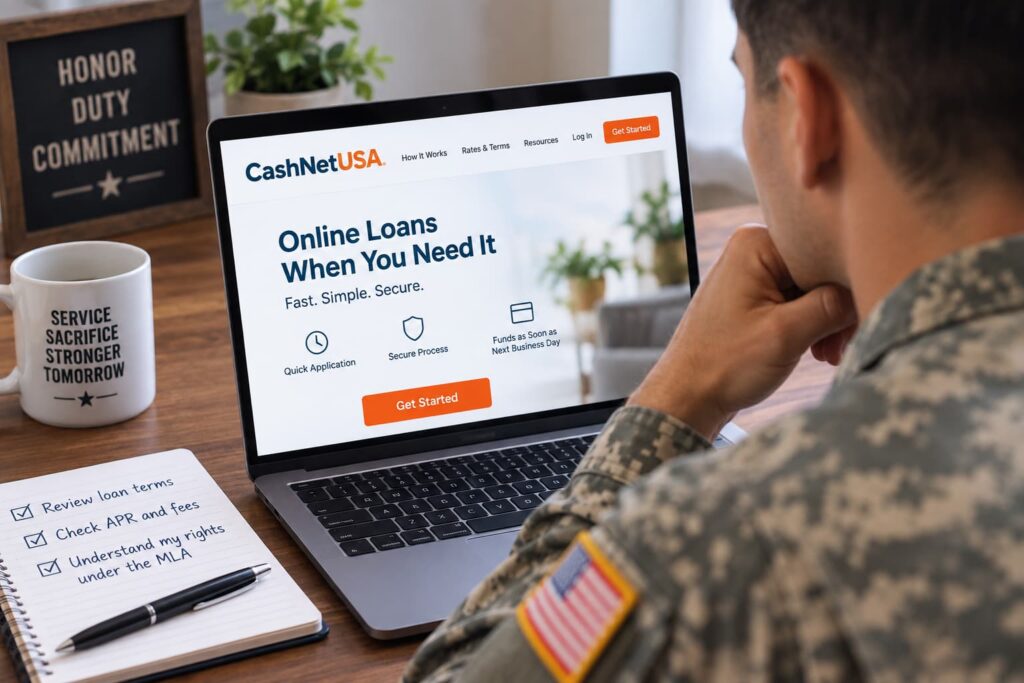
If you took out a CashNetUSA loan while you or your spouse was serving on active duty, federal military lending protections may have applied to the credit. The same may be true if you obtained a payday loan or similar covered consumer credit from another lender.

The key question is often whether you were a covered military borrower when the credit was extended or the account was opened. Your current military status is not necessarily the most important fact.

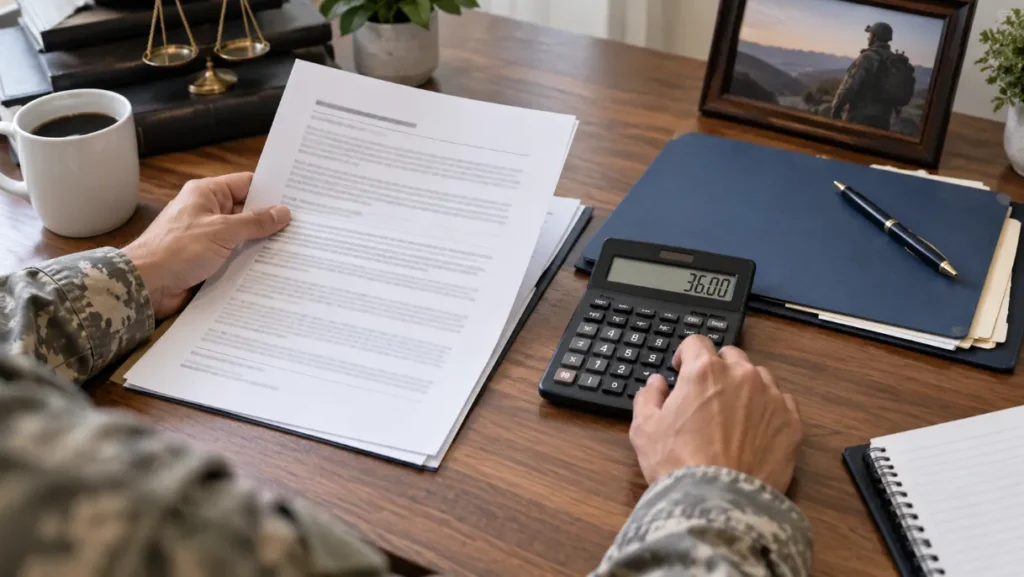
The Military Lending Act, or MLA, gives covered servicemembers and qualifying dependents protections involving certain forms of consumer credit. Among other protections, the MLA generally limits the Military Annual Percentage Rate, or MAPR, to 36% for covered consumer credit. MAPR is not the same thing as ordinary APR.

If you had a CashNetUSA loan, or another payday loan, while active duty, you do not need to determine on your own whether the MLA applies. The lender, loan date, military status, product, fees, payment history, and loan documents may all matter. Let Varnell & Warwick help you make sense of them all. 

Did CashNetUSA Charge You More Than 36% MAPR While You Were on Active Duty?

Did You Have a CashNetUSA or Payday Loan While Active Duty?

This page may be especially relevant if any of these circumstances sound familiar:

  • You opened a CashNetUSA account while serving on active duty.
  • Your spouse was active duty when you obtained the credit.
  • You were serving in the Guard or Reserves and were on qualifying active-duty orders at the time.
  • You are now retired or separated but obtained the loan during active-duty service.
  • You remember a high APR or significant fees.
  • Payments were automatically withdrawn from your bank account.
  • You renewed, refinanced, redrew, or repeatedly borrowed.
  • Your loan documents included arbitration or other dispute provisions.
  • The loan came from another payday lender rather than CashNetUSA.

None of these facts automatically means the law was violated. They are facts that may help determine whether the transaction should be examined more closely.

Did CashNetUSA Charge You More Than 36% MAPR While You Were on Active Duty

Why Active-Duty Status at the Time of the Loan Matters

Under the Department of Defense regulation implementing the MLA, covered-borrower status is determined when the consumer becomes obligated on a credit transaction or establishes an account for consumer credit. The regulation defines covered borrowers to include certain servicemembers serving on active duty or Active Guard and Reserve duty, as well as qualifying dependents.

For example, a person who is retired today may still have questions about a CashNetUSA loan opened while that person was a covered borrower. By the same token, being active duty today does not automatically bring an older loan made before covered status within the MLA.

Relevant dates can include:

  • when you first opened the account;
  • when the loan was made;
  • when your active-duty service began or ended;
  • whether you refinanced or renewed the credit;
  • whether additional credit was extended later.

The exact analysis depends on the transaction and the borrower’s military status at the relevant time.

The MLA Limits MAPR to 36% is Not Ordinary APR

The distinction between APR and MAPR is important. Here’s the main differences:

APRMAPR
A rate calculated under general consumer-credit disclosure rulesA military-specific calculation used by the MLA
May not include every cost counted toward MAPRCan include certain finance charges, application or participation fees, credit insurance, and credit-related add-on products
A high APR can be a reason to review the loanThe MLA generally limits MAPR to 36% for covered consumer credit
APR over 36% does not by itself prove an MLA violationMAPR must be calculated using the applicable MLA rules

The Department of Defense regulation identifies costs that may need to be included when calculating MAPR, including certain finance charges, credit insurance costs, credit-related ancillary products, application fees, and participation fees, subject to applicable exceptions.

A borrower therefore should not assume: APR above 36% = MLA violation.

The actual question is whether the transaction was covered and whether the MAPR, calculated under the applicable rules, exceeded the permitted limit or another MLA requirement was implicated.


The Interest Rate Is Not the Only MLA Issue

The Military Lending Act addresses more than the cost of credit. Depending on the transaction, relevant protections may involve:

1. Required Loan Disclosures

For covered consumer credit, the MLA regulation requires certain disclosures, including a statement concerning the applicable MAPR, required Regulation Z disclosures, and a clear description of the borrower’s payment obligation.

2. Mandatory Arbitration

The MLA restricts creditors from requiring covered borrowers to submit disputes to arbitration. The statute and implementing regulation also address enforceability of arbitration agreements involving people who were covered borrowers when the agreement was made.

That means an arbitration provision in your CashNetUSA or payday-loan documents may be worth preserving and reviewing.

3. Military Allotments and Prepayment Penalties

The MLA also restricts creditors from requiring a military allotment as a condition of covered credit and prohibits penalties for prepaying covered consumer credit.

4. Bank Withdrawals and Electronic Payments

Automatic withdrawals require careful analysis. The MLA regulation restricts certain uses of access to a covered borrower’s bank account, but it also expressly allows a creditor, under specified conditions, to require an electronic fund transfer to repay a consumer credit transaction.

An automatic debit by itself therefore does not establish an MLA violation. The MAPR, loan terms, authorization, and other applicable laws may matter.

What About Military Spouses and Dependents?

The MLA can also protect qualifying dependents of covered servicemembers. CFPB guidance identifies spouses and certain other dependents among the people who may receive MLA protections.

If you obtained CashNetUSA credit while your spouse was serving on qualifying active duty, the dates and your dependent status may therefore matter.

Do not assume that being married to someone in the military automatically resolves the question. Coverage depends on the federal definitions and the facts at the time the credit was extended. military borrowers.

What If the Payday Loan Was Not From CashNetUSA?

CashNetUSA is the primary lender focus of this page, but the Military Lending Act is not a CashNetUSA-specific law.

If you received a payday loan from another lender while serving on active duty, the lender’s identity should still be recorded. Other important facts may include:

  • the date of the loan;
  • your military status on that date;
  • the state where you lived;
  • the type of credit;
  • the APR and available MAPR information;
  • fees and finance charges;
  • payment history;
  • renewal or refinancing activity;
  • arbitration language;
  • disclosures and other contract terms.

The CFPB lists payday loans among the types of consumer credit generally subject to the MLA, although coverage of any individual transaction depends on the facts and applicable exclusions.

Varnell & Warwick does not ask you to make that legal determination yourself. If the loan was from another payday lender, bring the lender information with you when discussing your situation.

MLA vs. SCRA: They Protect Different Situations

The Military Lending Act and Service Members Civil Relief Act should not be confused.

The MLA generally concerns covered consumer credit extended when a borrower has qualifying military status. Among other protections, it generally limits MAPR to 36% for covered consumer credit.

The SCRA can address different circumstances, including certain debts incurred before military service. For qualifying pre-service obligations, the SCRA provides a 6% interest-rate protection subject to statutory requirements.

If your CashNetUSA or other loan was obtained before you entered military service, the SCRA may raise different questions than the MLA.one determines whether the law was violated. Together, however, they can help show what needs closer review.

Don’t Let the Scammers Win

Ready to fight back? Tell Varnell & Warwick how CashNetUSA imposters targeted you, and let’s find out if a class action lawsuit can help recover your financial losses.

Frequently Asked Questions

Q: Does the MLA apply to every CashNetUSA loan?
A: No. Whether the MLA applies depends on factors including the borrower’s covered status when the credit was extended, the type of credit, the date, and any applicable exclusions. CashNetUSA’s name alone does not determine MLA coverage.

Q: Is a CashNetUSA APR above 36% automatically an MLA violation?
A: No. The MLA generally limits MAPR, not ordinary APR, to 36% for covered consumer credit. MAPR and APR are different calculations, and the borrower’s status, product, fees, and other terms must also be considered.

Q: What if I am retired or separated now?
A: Your status when the loan or account was opened may be more important to the original transaction than your status today. A former servicemember should not assume a loan obtained while on active duty is irrelevant simply because military service has ended.

Q: Does the Military Lending Act protect military spouses?
A: Qualifying dependents, including spouses who meet the applicable definition, can be covered under the MLA. The servicemember’s duty status and the dependent relationship at the relevant time may matter.

Q: What if my payday loan came from another lender?
A: The MLA applies based on the borrower and transaction, not one particular lender. If you obtained a payday loan from another lender while on active duty, keep the agreement and information about the lender, date, state, fees, and military status.

Discuss Your CashNetUSA or Military Payday Loan With Varnell & Warwick

If you or your spouse received a payday loan while one of you was serving on active duty, the timing of the loan and your military status may matter.

If the loan was from CashNetUSA, or if you are not sure whether a loan from another payday lender may raise relevant military lending questions, contact us to discuss your situation. You do not need to calculate MAPR or decide on your own whether the Military Lending Act was violated.

Call Varnell & Warwick at (352) 753-8600 or email case@vandwlaw.com to schedule a no-cost consultation with one of our attorneys. We handle nearly all of our cases on a contingency-fee basis, which generally means attorney fees are paid only if we win.

References

Disclaimer

This article is for general informational purposes only and does not constitute legal advice. Whether the Military Lending Act, Servicemembers Civil Relief Act, or another law applies depends on the specific facts and circumstances of each situation. Reading this article does not create an attorney-client relationship with Varnell & Warwick.